


SEO has not died. It has expanded.
Search rankings still matter, but AI answers, recommendations, comparisons and source lists are now another layer of visibility.
SEO and GEO for AI search
AI systems may already be recommending companies to your future customers. The question is whether your website is part of that shortlist or the choice goes to competitors before the first click.
Why it matters
Users can ask ChatGPT, Perplexity, AI search or voice assistants which company to choose, which brands to compare and where to buy. If your brand is missing, you may never see the lost click.
Search rankings still matter, but AI answers, recommendations, comparisons and source lists are now another layer of visibility.
AI can name several companies, marketplaces or aggregators while your brand is not included in the consideration set.
A brand can be merely mentioned, recommended, compared with competitors or shown with a source link. These are different levels of presence.
You need a prompt set, multiple AI systems, repeated checks and competitor comparison to make decisions based on evidence.
Presence levels
AI recommends competitors, aggregators or marketplaces while your website is absent from the answer.
The brand appears, but without a reason to choose it.
AI links to your website, article, profile, review or another source.
AI explains why the brand is worth considering for the user’s task.
The brand participates in the choice together with competitors by price, expertise, reviews, assortment or terms.
We look beyond the website and analyze the full path through which AI can discover, compare and recommend a brand.
We check whether the brand appears in AI answers, whether there are links, which competitors are recommended and how the brand is described.
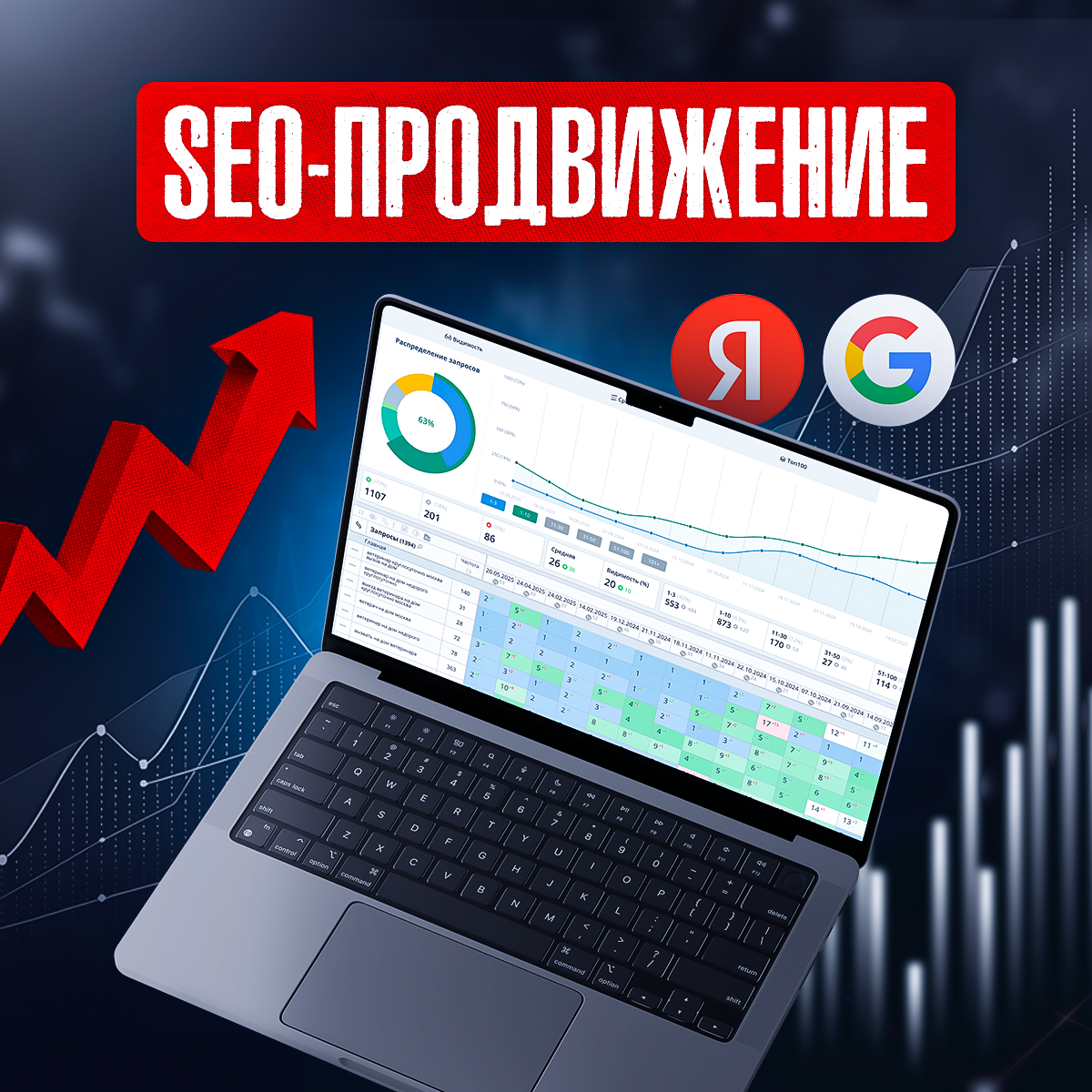
We make content easier for both people and AI to use: concise answers, facts, tables, comparisons, FAQ, authorship and clear structure.

We check whether search engines and AI-related sources can correctly access pages: indexation, rendering, canonical tags, structured data, speed and technical blocks.

We identify where the brand is confirmed outside the website and what should be strengthened: reviews, profiles, comparisons, ratings, media and expert content.
How we work
We collect real questions a customer may ask AI: who to choose, what to buy, which brands to compare and whom to trust.
We review answers in ChatGPT, Perplexity, AI search, assistants and other systems that matter for the niche.
We record whether the brand is present, whether there is a link, who appears instead and which sources AI relies on.
We work on pages, FAQ, comparisons, product or service content, expertise, structured data and external brand signals.
We repeat the checks for the same prompt set and track whether brand mentions, links, recommendations and context improve.
Beyond the website
Depending on the niche, AI systems may rely on reviews, aggregators, marketplaces, media, YouTube, industry ratings, business profiles, expert content and third-party comparisons. GEO therefore includes the website, content, technical accessibility and external proof around the brand.
Competitor analytics
EcomRank.ru helps us understand which websites in a niche already attract organic demand, which pages and sections are strong, and which competitors may appear in AI recommendations or source lists.
For GEO, this matters because AI rarely recommends a brand in isolation. Recommendations usually depend on useful pages, external proof, reviews, comparisons, website structure and existing search visibility.

We see which websites and brands are already visible in organic search and may be included in the user’s choice.
We look for sections, articles, categories or product pages that can support AI answers and citations.
We understand where a website lacks structure, facts, trust signals or external validation.
We choose tasks that can influence search visibility and AI-answer presence, not abstract SEO work.
Cases and results
Real growth comes from a system: catalog structure, technical SEO, categories, product cards, commercial factors and competitor analysis.

Paid traffic was limited, so the goal was to capture organic demand and turn SEO into a stable lead channel.

The store already had search traffic, but needed to scale categories, improve product pages and turn organic traffic into more orders.
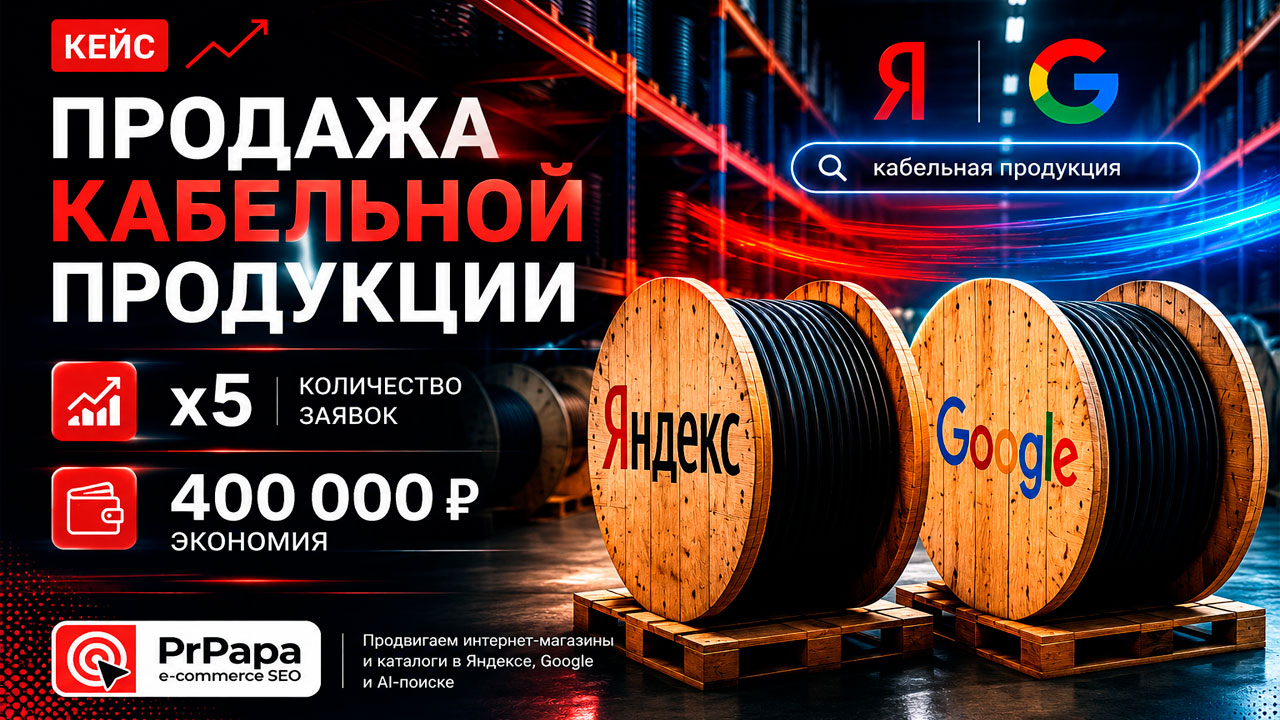
For a B2B project, we collected long product queries, strengthened categories and showed search engines relevant commercial pages.
We help online store owners and marketers get more traffic and orders from search. We find growth opportunities, show where competitors capture demand, and explain SEO using data from our own analytics platform EcomRank.ru.



We regularly cover topics online store owners, marketers and developers deal with: SEO mistakes, CMS choice, migrations, catalog structure, indexing, Yandex, Google and AI answers. This public content helps you understand our approach before we work together.
We will test a prompt set, check several AI systems, identify competitors and sources that appear instead of you, and prepare a prioritized list of website and external-source improvements.
No promises to “get you into ChatGPT in two weeks”: first diagnostics, then a clear work plan and repeated monitoring.